Back

Santander's investment platform ran on spreadsheets, passed between fund managers, back-office teams, and clients by email. Every new version was another point of failure. Our team at Handmade replaced that chain with a platform built on real data logic, not spreadsheet habits.
Challenge
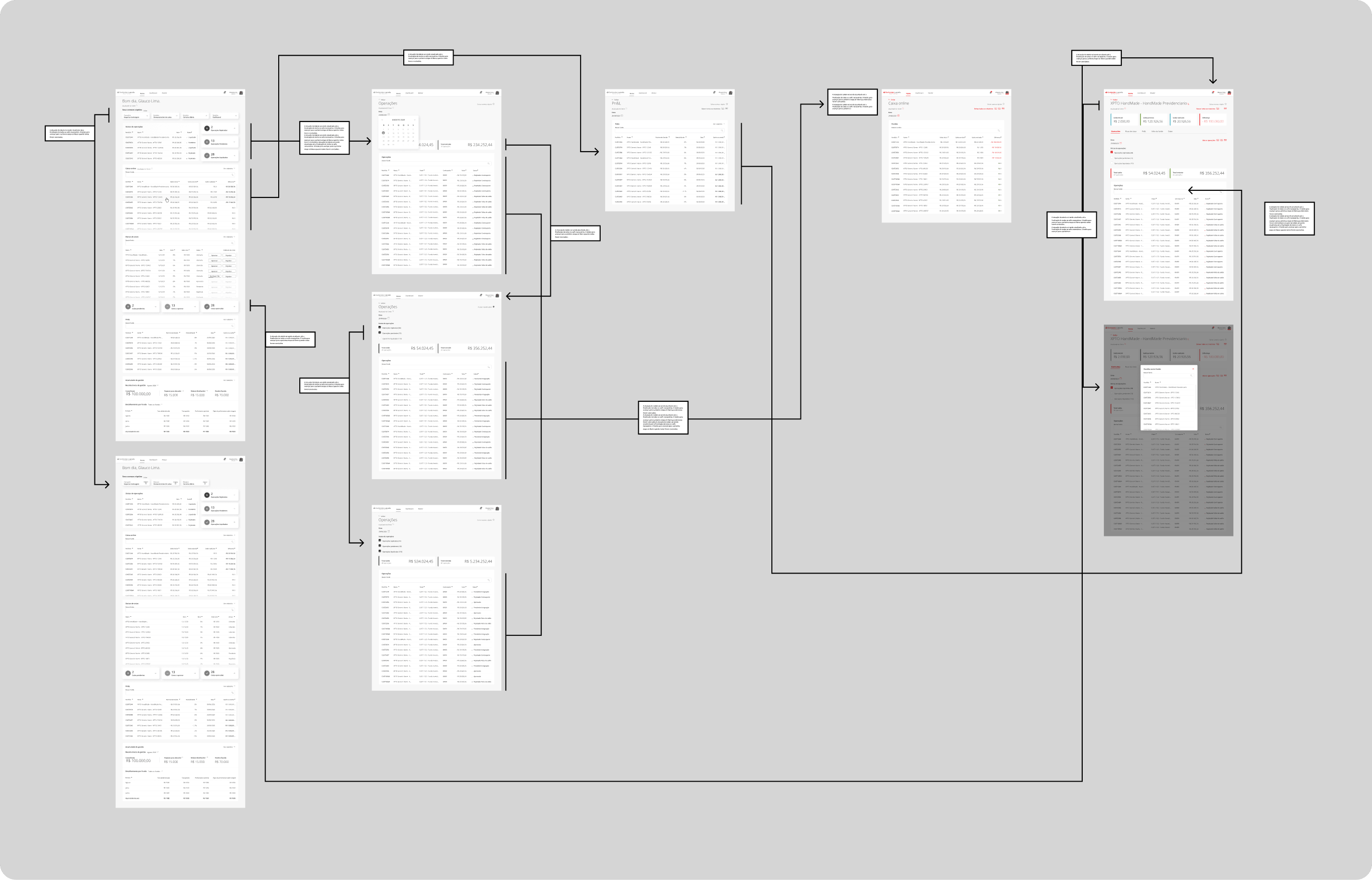
The spreadsheets carried years of undocumented business logic. We reverse-engineered the real data structure from dozens of files, then interviewed stakeholders across departments to understand their individual needs. Working with legal, we separated what was mandatory from what was just habit, cutting, reordering, or deferring entire steps. The data had real interdependencies. One answer could trigger an entire side flow of additional questions, an edge case nobody had mapped. Surfacing that logic was the real work, before a single screen got designed.
Process
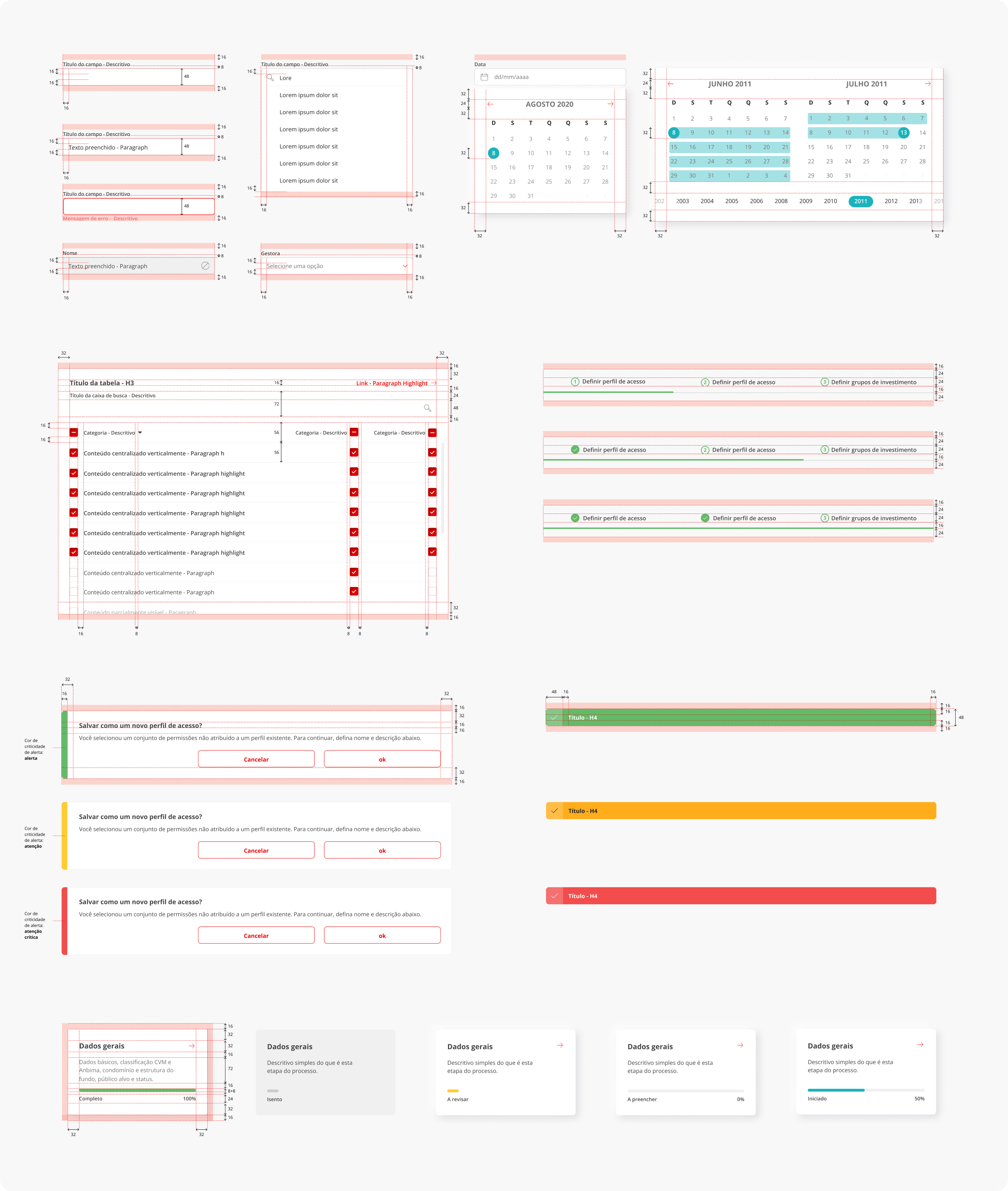
Two experiences, one design system, two different problems to solve. Clients and legal representatives worked through structured forms. Bank employees worked through dashboards and tables, across three permission levels controlling who could view, edit, or fully administer a case. We built the permission structure around that five-role reality, then optimized every question we could and automated the rest.
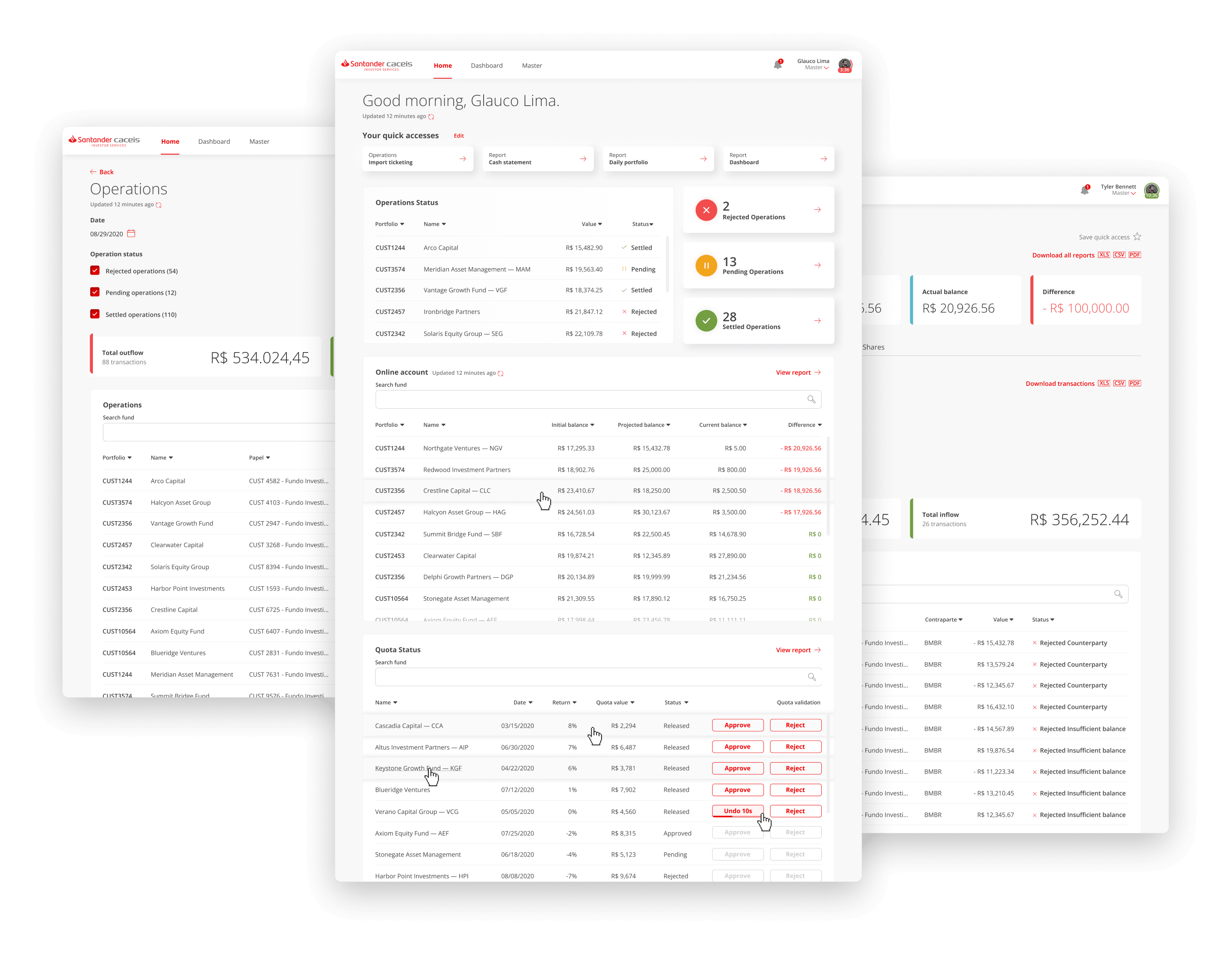
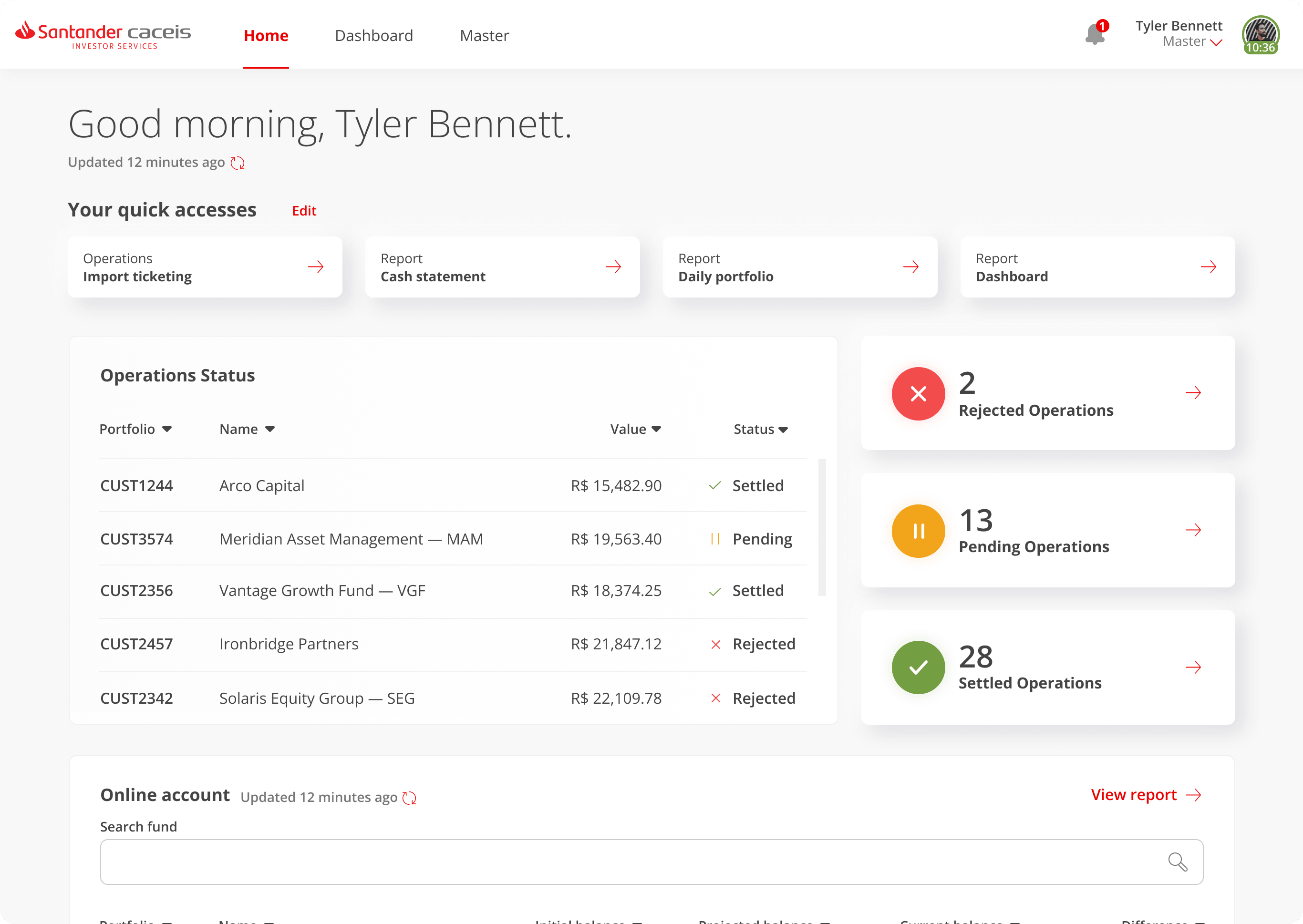
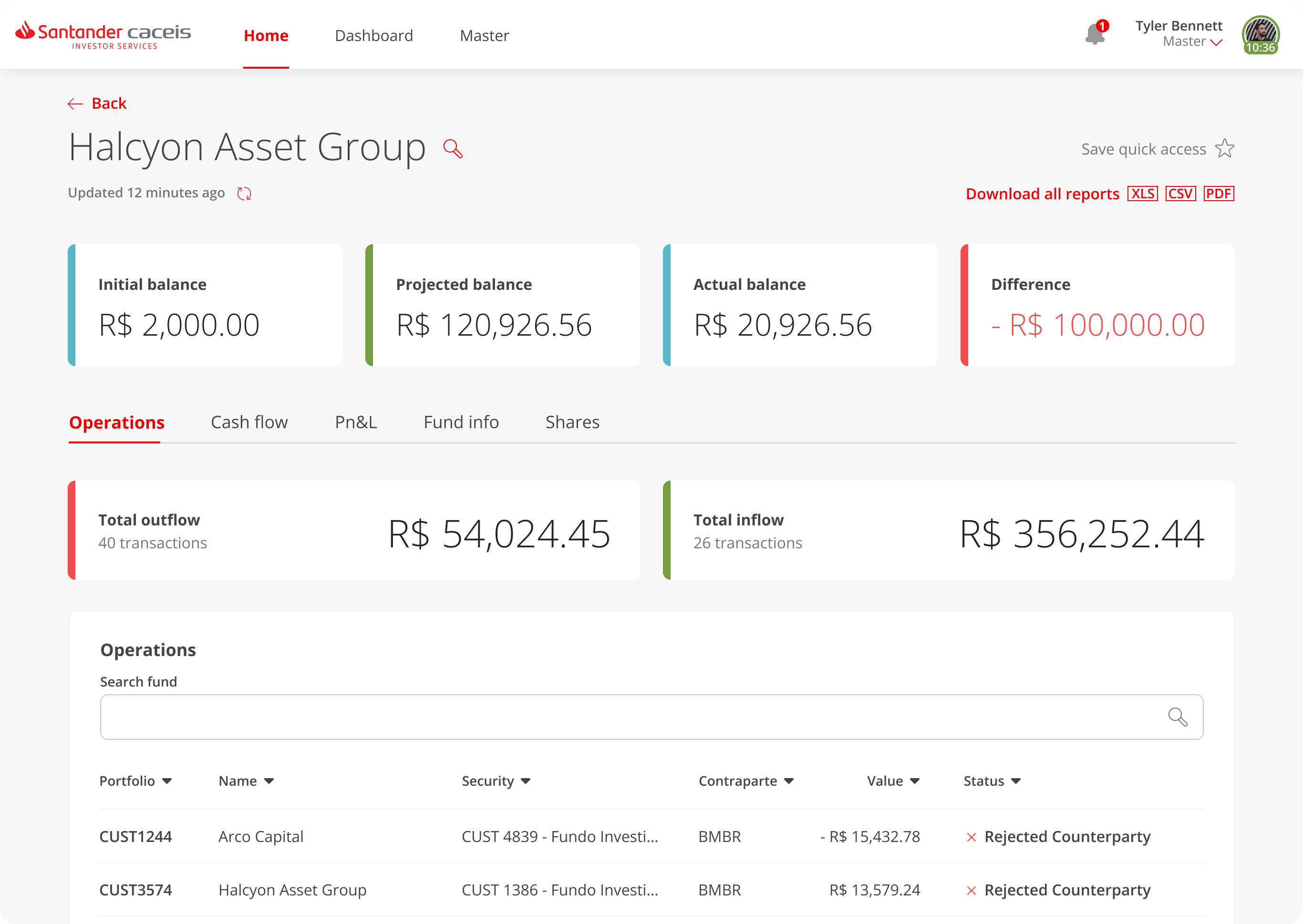
The first dashboard concept was visual: charts, summaries, built to be glanceable. Stakeholders rejected it on the spot. They wanted to "read the matrix." We rebuilt around that feedback. The result looks confusing to an outsider and works perfectly for the people running dozens of cases a day. We layered a notification and status-labeling system on top, so any employee could see exactly where a case stood without asking.
Result
Contract processing dropped from three weeks to five days over a six-month project. Total contract length fell 25%, a direct result of cutting steps and fields that existed only to patch gaps in the old process. Engineering belonged to the bank, not to us. Our involvement ended at handoff, but we stayed close enough afterward to confirm the numbers held in production.
Deliveries
- Information architecture for conditional, interdependent data flows
- Role-based permissions across five user types, bank and client side
- A dense-table interface built around real operational use, not glanceable charts
- A notification and status system for case tracking
- A documented design system and technical handoff for engineering